
Guide: storm recovery
Reopening After a Hurricane: Food, Ice Machines and Coolers
Power was out for two days after the storm. The walk-in and the ice machine are running again. Before you open the doors, you need to decide what food to keep, whether the water filters must be replaced and how to bring the ice machine back safely.
- The four-hour temperature rule
- Water filters after contamination
- Ice machine restart steps
- Signs you should not open yet
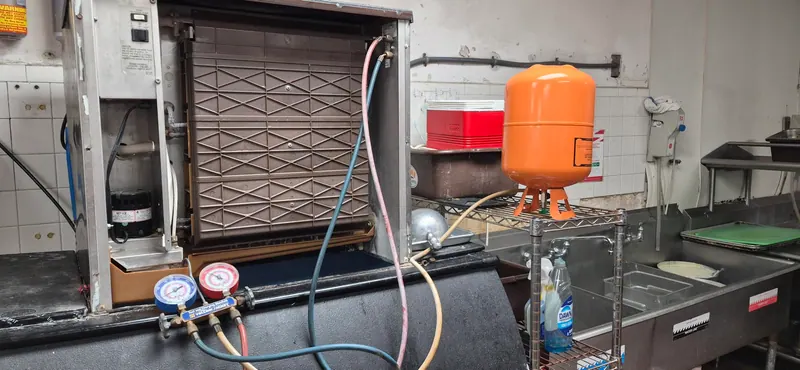
The short answer
After a power outage, Florida requires restaurants to discard TCS foods that sat above 41°F or below 135°F for more than four hours. Replace equipment water filters exposed to contamination unless they can be cleaned in place. Clean and sanitize the ice machine before restart, and do not open without safe water and power.
Gulf Coast kitchens know the routine: the storm passes, power and water come back in stages, and everyone wants to open as soon as possible. The equipment that holds food and makes ice decides how soon that can safely happen.
This guide follows Florida DBPR Division of Hotels and Restaurants Industry Bulletin 2023-03, "Emergency Recovery Guidelines," dated August 29, 2023. Food safety decisions follow that bulletin and your local inspector. Alabama, Georgia and Mississippi operators should check their own state guidance. This guide does not cover electrical safety, flood damage to the building or insurance claims.
What food has to be thrown out after a power outage at a restaurant?
Florida DBPR Bulletin 2023-03 says time and temperature control for safety foods, called TCS foods, must be discarded when power is restored if they were above 41°F or below 135°F for more than four hours. The same bulletin directs operators to hold cold foods at 41°F or below once power returns.
The hard part is knowing how long food was out of temperature. Work from what you can prove:
- Check the record. A temperature log, a data logger or a thermometer reading taken during the outage is the evidence you need.
- Take food temperatures, not just air temperatures. Probe products in the walk-in and reach-ins before deciding.
- When you cannot tell, throw it out. If nobody can say how long the power was off or how warm the cooler got, the four-hour clock should be treated as expired.
- Hot food counts too. Food in hot holding that dropped below 135°F for more than four hours goes the same way.
| Situation | Under Bulletin 2023-03 |
|---|---|
| Cold TCS food at 41°F or below the whole time | May be kept |
| Cold TCS food above 41°F for more than four hours | Discard |
| Hot TCS food below 135°F for more than four hours | Discard |
| No way to know the time or temperature | Treat as out of temperature and discard |
Do equipment water filters need to be replaced after a hurricane?
Florida DBPR Bulletin 2023-03 says all water filters on equipment should be removed and replaced when the establishment was exposed to contamination, unless the filters are designed to be cleaned in place. Ice machine, beverage and coffee filters that sat in water during a boil water notice or flooding fall under that rule.
That qualifier matters. The rule applies when equipment was exposed to contamination, such as a boil water notice, a line break or floodwater. A storm that knocked out power while the water stayed safe does not by itself require new cartridges.
When the rule does apply:
- List every filter in the building: ice machines, fountain drinks, coffee and tea brewers, water coolers and any point-of-use filters.
- Replace cartridges with the same type and rating, and flush each new one as its label directs.
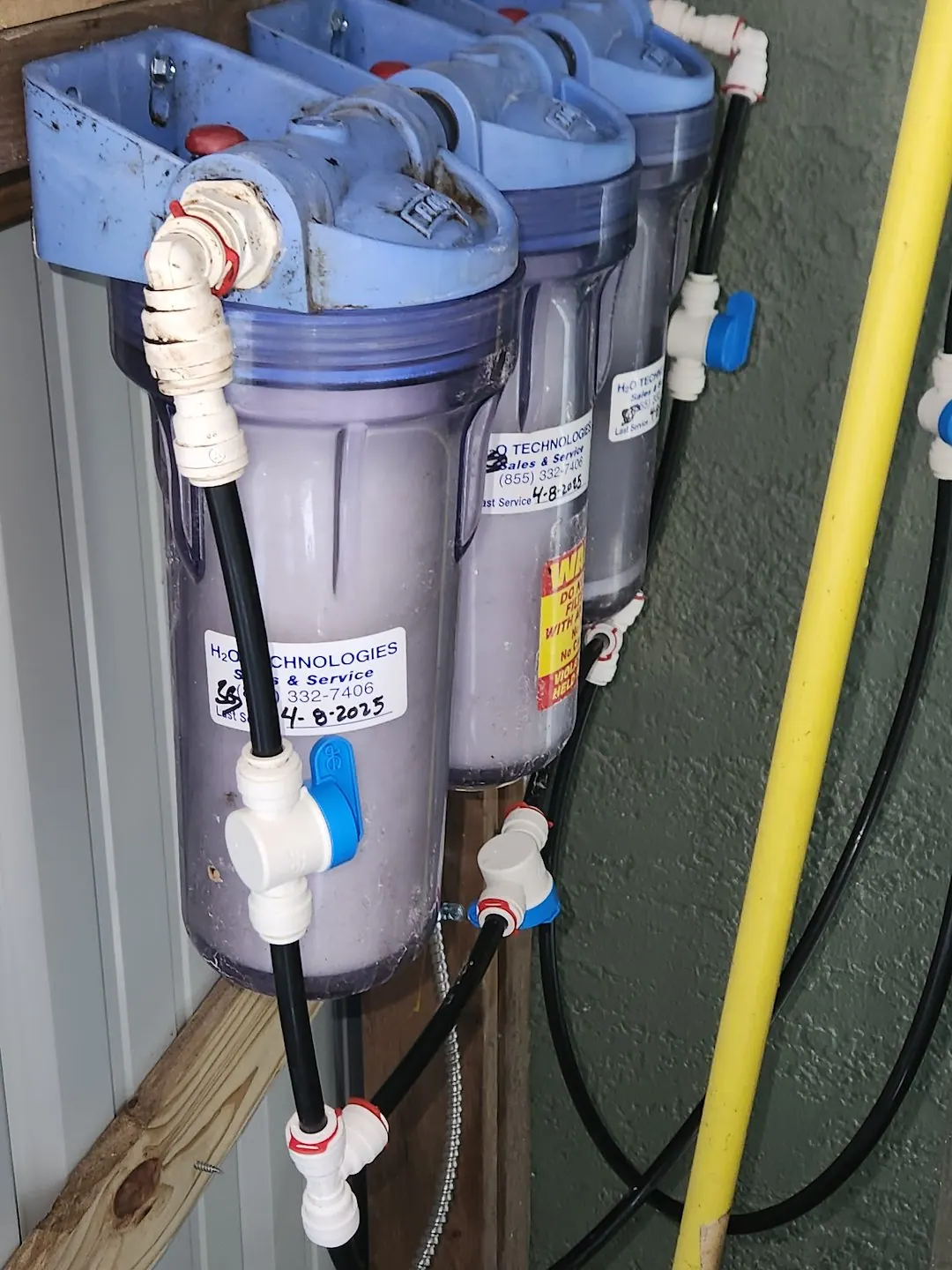
- Date each housing so inspectors and staff can see the change.
If you also had a boil water notice, follow the restart steps in what to do with your ice machine after a boil water notice before the machines go back into service.
How do you clean and restart an ice machine after a storm?
An ice machine should be cleaned and restarted after a storm by discarding all stored ice, confirming the water is safe, replacing filters exposed to contamination, cleaning and sanitizing the machine to the manufacturer's procedure, then discarding the first batch. Have a technician check any machine that was flooded or tripped breakers.
Ice made during or before an outage is suspect: the bin warmed, meltwater pooled, and the machine may have restarted on its own when power came back. Start from an empty, clean bin.
Check these before you restart:
- Water status. No boil water notice in effect for your address.
- Condenser and airflow. Storm debris, leaves and dust on an outdoor or rooftop condenser make the machine run hot and slow. Clear the area around it.
- Drain lines. Make sure the bin drain and machine drain flow freely.
- Visible damage. Water inside the cabinet, burning smells, or a machine that will not start are calls for a technician, not a reset.
We repaired a hurricane-damaged ice machine at a Gulf Breeze, FL venue, one of our storm recovery jobs. If your machine will not produce after the restart, call (850) 391-0460.
When should a restaurant not reopen after a hurricane?
A restaurant should not reopen after a hurricane without safe water or without power for essential equipment, according to Florida DBPR Bulletin 2023-03. If coolers cannot hold food at 41°F or below, the ice machine cannot run on safe water, or a boil water notice is still in effect, the kitchen is not ready.
Use this short go or no-go check:
- Water: safe supply, or an approved alternative your health department accepts.
- Power: every piece of essential equipment running, including refrigeration, hot water and hand sinks.
- Cold holding: walk-in and reach-ins pulling down to 41°F or below and holding it.
- Ice: a clean, sanitized machine on safe water, or packaged ice from a safe source.
- Cleanup: food that failed the four-hour rule discarded, and surfaces cleaned.
If the walk-in will not hold temperature once power is back, see our guide on a walk-in cooler not holding 41 degrees and schedule a refrigeration service call before restocking.
Refrigeration and filtration checks after a storm
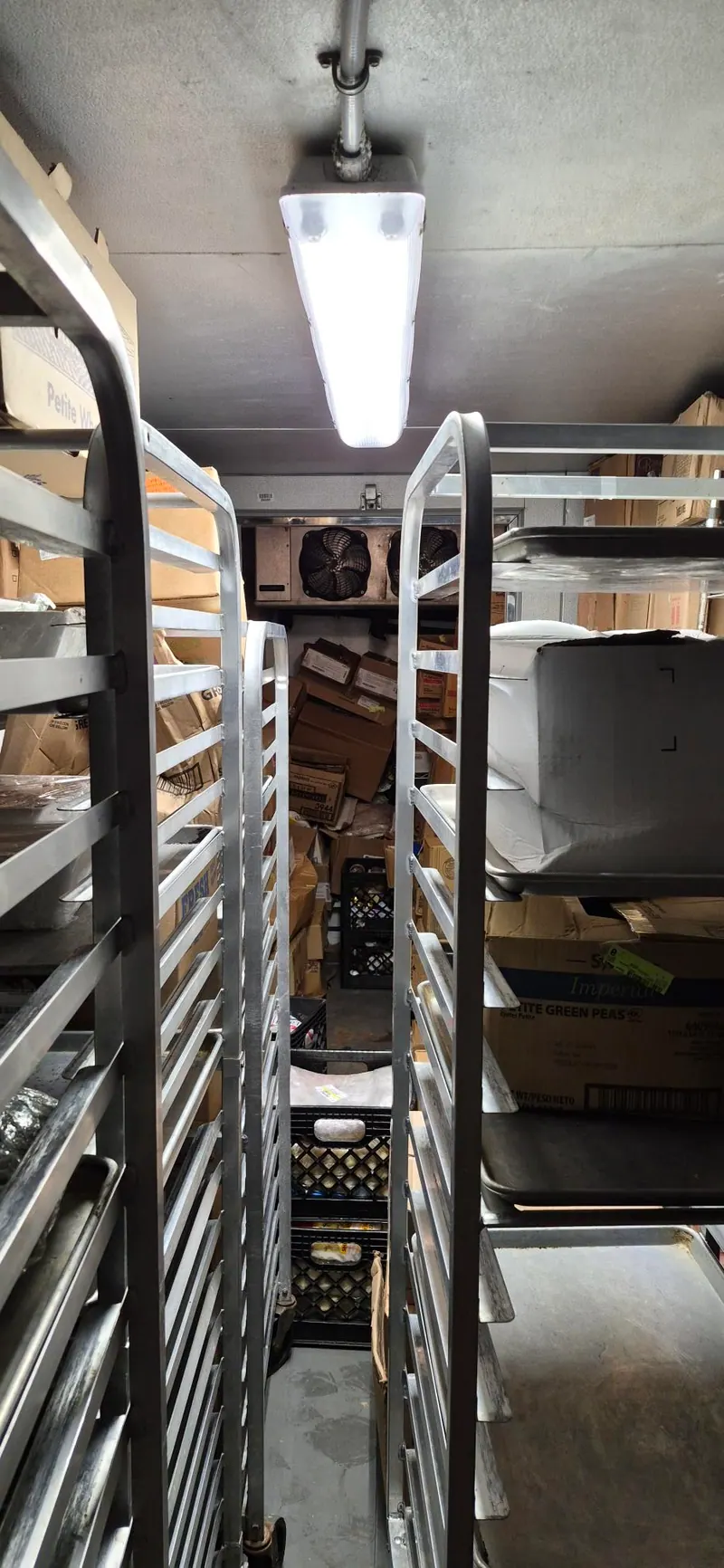 View larger photo
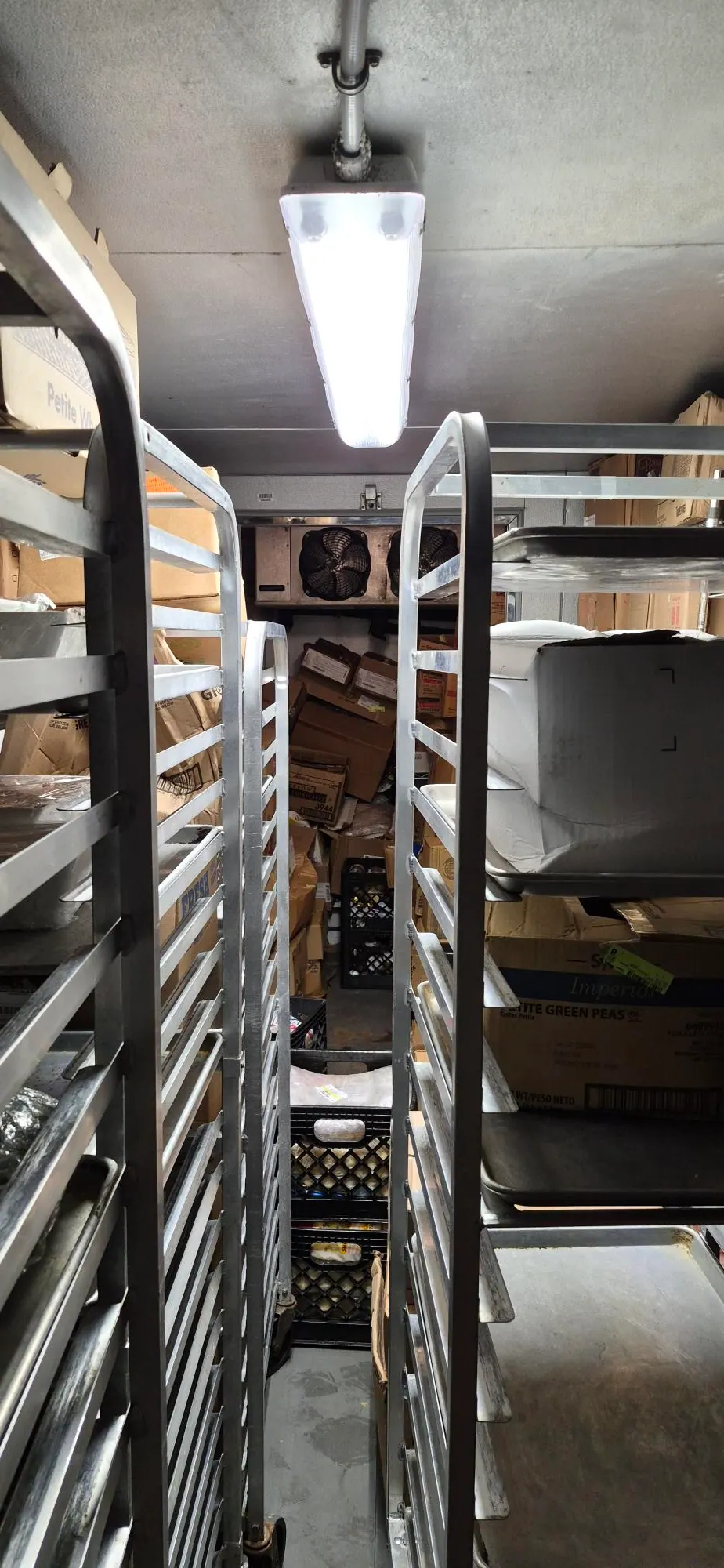
Inside a walk-in cooler with sheet pan racks, Pensacola Beach, FL 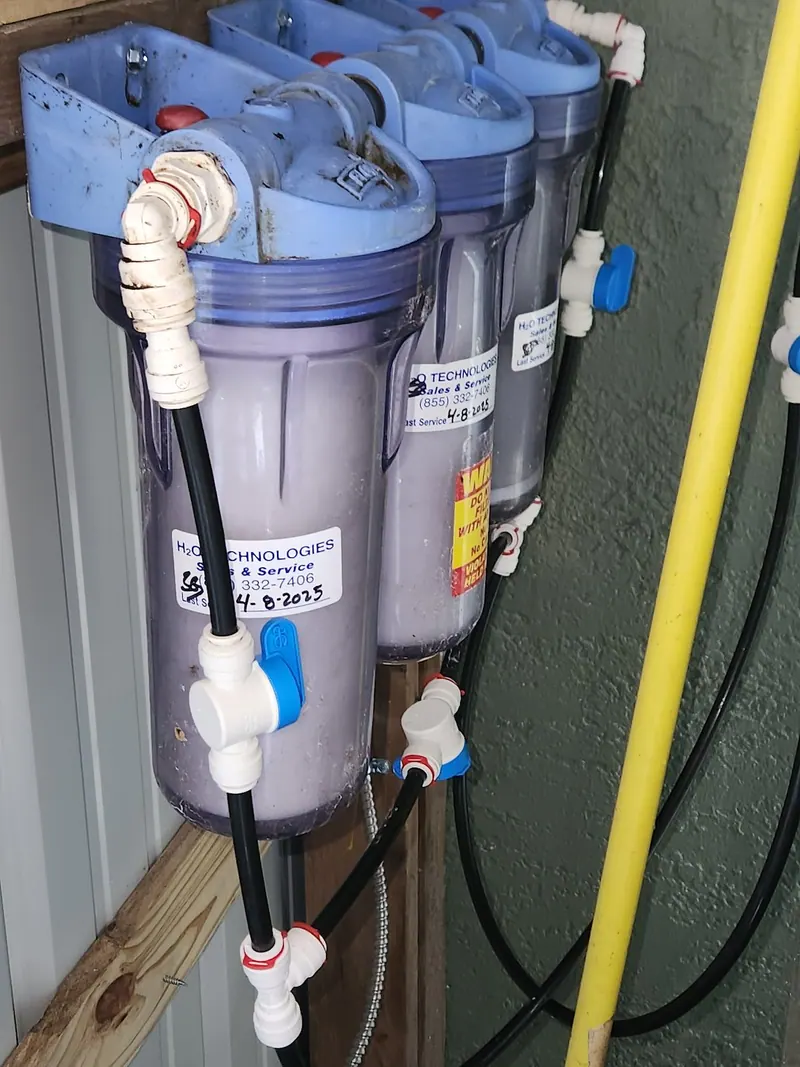 View larger photo
Filter housings with a service label, Milton, FL 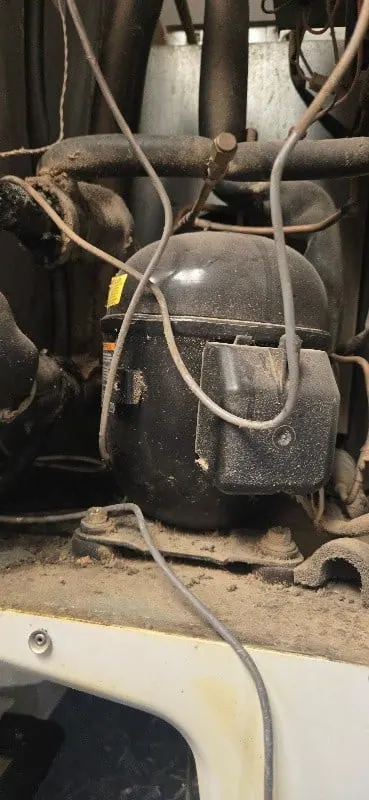 View larger photo
Dusty refrigeration compressor and suction lines inside an ice machine, Pensacola, FL 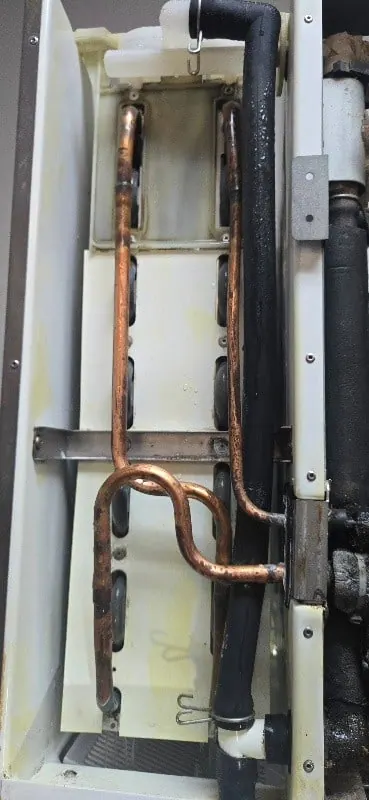 View larger photo
Copper refrigerant tubing and insulated lines behind an ice machine, Pensacola, FL
Storm reopening questions
How long can a walk-in cooler stay closed without power?
Do we need new water filters if the water never went bad?
Can we use ice that was in the bin when the power went out?
Can H2O Technologies check our ice machines and coolers after a storm?
Schedule a post-storm equipment check
Tell us which machines and coolers you need checked. We will call you back to set up a visit.
Call (850) 391-0460